
Best Supplements for Eye Health

Best Supplements for Eye Health

Best Supplements for Eye Health

Best Supplements for Eye Health

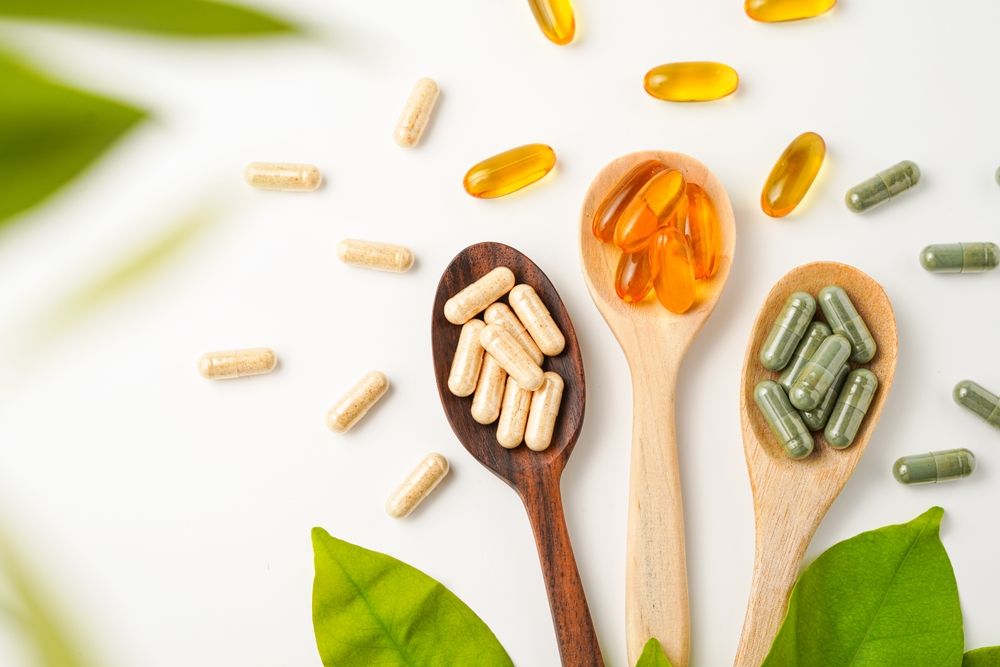
Your vision is essential to nearly everything you do, yet many people don’t think about supporting their eye health until problems arise. In addition to routine eye exams and a nutrient-rich diet, certain supplements may help protect your eyes from daily strain and age-related changes. Understanding which nutrients truly benefit your vision can help you make informed decisions about long-term eye care.
Lutein and Zeaxanthin: The Macular Protectors
Lutein and zeaxanthin are carotenoids found naturally in the retina, particularly in the macula - the part of the eye responsible for sharp central vision. These antioxidants help filter harmful blue light and protect against oxidative stress, which can contribute to age-related vision changes.
Research suggests that adequate intake of lutein and zeaxanthin may support macular health and reduce the risk of developing age-related macular degeneration (AMD). While they are found in leafy greens like spinach and kale, many people do not consume enough through diet alone, making supplementation beneficial in some cases.
Omega-3 Fatty Acids: Support for Dry Eyes
Omega-3 fatty acids, particularly EPA and DHA, are known for their anti-inflammatory properties. They play a key role in supporting the oil layer of the tear film, which helps prevent tears from evaporating too quickly.
For individuals who experience dry, irritated, or gritty eyes - especially those who spend long hours on digital devices - omega-3 supplements may help improve tear quality and overall comfort. They are commonly sourced from fish oil or algae-based products for those who prefer plant-based options.
Vitamin A: Essential for Night Vision
Vitamin A is crucial for maintaining healthy vision, particularly in low-light conditions. It supports the production of rhodopsin, a protein in the eyes that helps you see in dim light.
While severe vitamin A deficiency is uncommon in the United States, mild deficiencies can still affect eye comfort and visual performance. It’s important to avoid excessive supplementation, as too much vitamin A can be harmful. A healthcare professional can help determine appropriate levels.
Vitamin C and Vitamin E: Powerful Antioxidants
Both vitamin C and vitamin E are antioxidants that help protect eye tissues from damage caused by free radicals. Oxidative stress has been linked to the development of cataracts and age-related macular degeneration.
Vitamin C also supports the health of blood vessels in the eyes, while vitamin E helps protect cell membranes from damage. These vitamins are often included together in comprehensive eye health formulas.
Zinc: Helping Vitamin A Do Its Job
Zinc is a mineral that helps transport vitamin A from the liver to the retina to produce melanin, a protective pigment in the eyes. Adequate zinc intake supports overall retinal health and may slow the progression of certain age-related eye conditions.
Take the Next Step Toward Healthier Eyes
Protecting your vision starts with smart daily habits, including proper nutrition. Supplements such as lutein, zeaxanthin, omega-3 fatty acids, vitamins A, C, and E, and zinc can play a supportive role in maintaining healthy eyes and reducing the risk of certain age-related conditions. Before beginning any new supplement regimen, consult with your eye doctor to ensure it aligns with your specific needs. Personalized guidance can make all the difference in preserving your long-term vision.
If you’re interested in learning which supplements are best for your eye health, schedule a comprehensive eye exam with Westchester Eyes today. Visit our office in Pleasantville, New York, or call (914) 201-9900 to book an appointment.


- Monday9:00 AM - 5:00 PM
- Tuesday9:00 AM - 5:00 PM
- Wednesday9:00 AM - 5:00 PM
- Thursday9:00 AM - 5:00 PM
- Friday9:00 AM - 2:00 PM
- SaturdayClosed
- SundayClosed
© 2026 Westchester Eyes. All rights Reserved.
Powered by
