
How Allergies Affect Eye Comfort - And What You Can Do About It

How Allergies Affect Eye Comfort - And What You Can Do About It

How Allergies Affect Eye Comfort - And What You Can Do About It

How Allergies Affect Eye Comfort - And What You Can Do About It

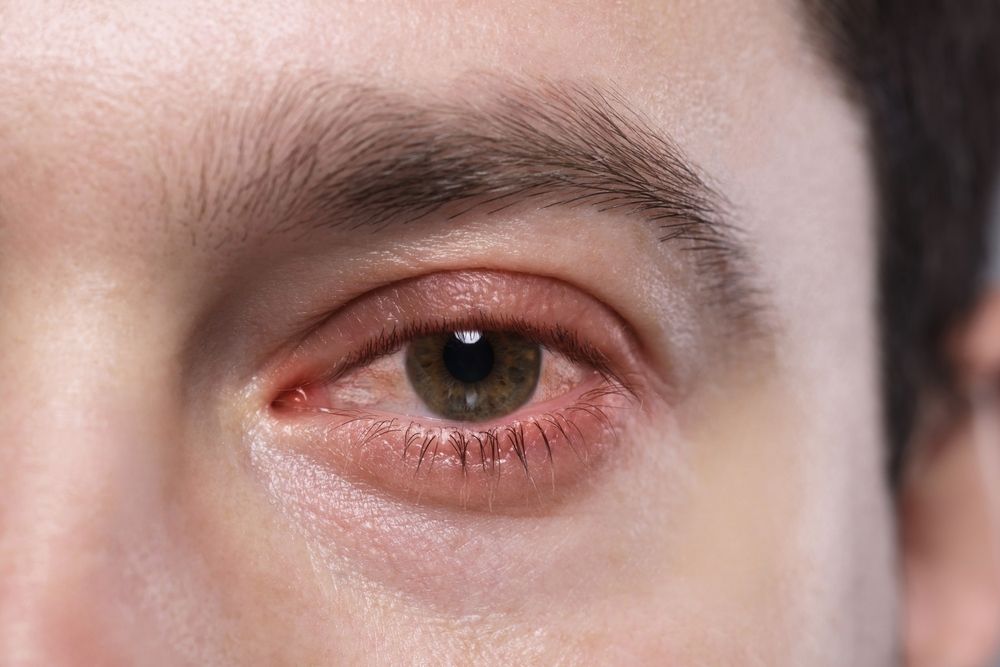
Seasonal and indoor allergies can do more than make you sneeze. When allergens like pollen, dust mites, and pet dander irritate the surface of the eye, they can trigger inflammation that leads to itching, burning, redness, watering, and a gritty sensation. This is often called allergic conjunctivitis, and it can make everyday tasks like driving, reading, and screen time feel uncomfortable.
In Pleasantville, New York, spring and fall pollen spikes are common triggers, but symptoms can also flare year-round from indoor allergens. The key is figuring out whether allergies are the main issue, or if dry eye is also playing a role.
How Allergies Disrupt Eye Comfort
Allergens land on the tear film and the conjunctiva, prompting the body to release histamine. That reaction causes itching and redness, and it can make the eyes water excessively. Ironically, watery eyes do not always mean your eyes are well-lubricated. The tears can be more “reflex tears” that do not stay on the eye long enough to keep the surface stable, which can leave you feeling dry and irritated.
Rubbing makes things worse. It can spread allergens, increase inflammation, and in some cases contribute to eyelid irritation that destabilizes the tear film.
Allergy Eyes vs Dry Eye: Why the Difference Matters
Allergies and dry eye can look similar, but they are treated differently. A few clues can help:
Allergies typically cause intense itching, puffiness, and watery eyes, often affecting both eyes at once.
Dry eye often feels like burning, stinging, fluctuating vision, or a gritty sensation that worsens with screens, wind, or heating and air conditioning.
Many patients have both, especially if their tear film is already unstable.
An eye exam can help identify the root cause, including signs of inflammation, eyelid margin issues, and tear film instability.
What You Can Do at Home for Allergy Eye Relief
Small changes can make a noticeable difference during allergy season:
Use preservative-free artificial tears to rinse allergens from the eye surface.
Apply a cool compress for swelling and itching relief.
Avoid rubbing your eyes and wash hands frequently.
Change pillowcases often and keep windows closed on high pollen days.
Consider an air purifier at home, especially in the bedroom.
If you wear contact lenses, allergies can make lenses feel dry or filmy. Daily disposables or a temporary break from contacts may help during flare-ups.
Treatment Options Your Eye Doctor May Recommend
When symptoms persist, targeted care can reduce inflammation and improve comfort. Depending on your symptoms and exam findings, your eye doctor may recommend allergy eye drops, prescription options for more significant inflammation, or a dry eye plan if tear film issues are contributing. The goal is to calm the allergic response while protecting the eye surface so you can see clearly and feel comfortable again.
Schedule an Eye Exam for Lasting Relief
If symptoms last more than a few days, keep returning, or affect your vision, it is time to come in. You should also schedule a visit if you have significant light sensitivity, eye pain, thick discharge, or one eye is much worse than the other, since these can signal something other than allergies.
For personalized help with eye allergies and long-lasting relief, schedule a comprehensive eye exam at Westchester Eyes. Visit our office in Pleasantville, New York, or call (914) 201-9900 to book an appointment today.


- Monday9:00 AM - 5:00 PM
- Tuesday9:00 AM - 5:00 PM
- Wednesday9:00 AM - 5:00 PM
- Thursday9:00 AM - 5:00 PM
- Friday9:00 AM - 2:00 PM
- SaturdayClosed
- SundayClosed
© 2026 Westchester Eyes. All rights Reserved.
Powered by
